



[email protected] Product Catalog → India RFID Store

UHF RFID Inlays and Labels

Updated 25 October 2026

Current lineup — tap a product for full specifications on India RFID Store . To order, WhatsApp us or call +91 97181 99516.

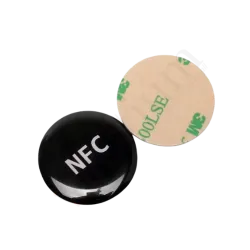
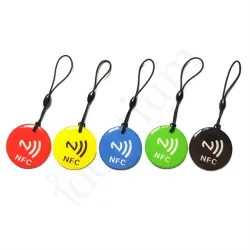
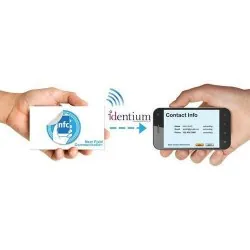
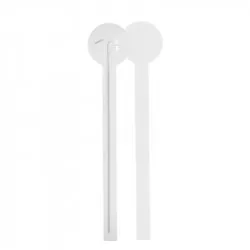
NFC Epoxy tag
IDNE30

NFC Epoxy tag

₹45+ GST

View all 223 in store →

View all 223RFID Inlays & Labels in store →

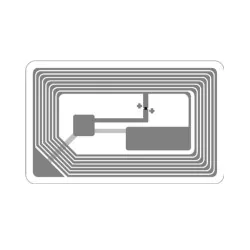
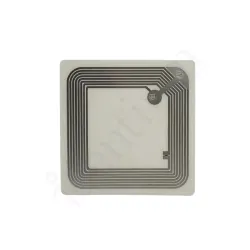
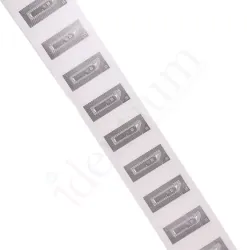
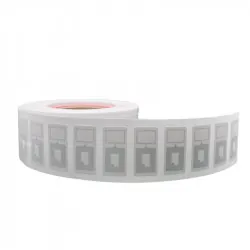
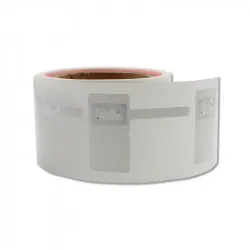
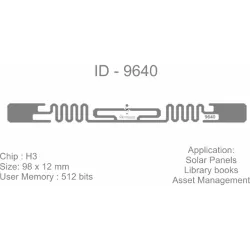
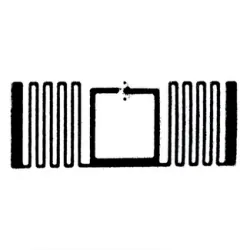
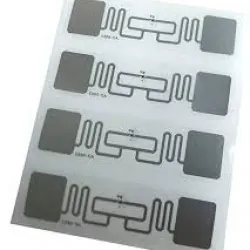
Identium manufactures UHF RFID inlays and labels in New Delhi on PET and polyester face stocks, supplied on rolls that run through standard RFID label printers for print-and-encode in one pass. A dry inlay is the chip and antenna on a PET carrier; a wet inlay adds adhesive; a converted label adds a printable face. Inlays are tuned for India’s 865–868 MHz band and quoted against your specification.

IDentium UHF Inlays & Labels :

  • High Quality PET & Polyester Materials
  • Reliable Durability & Performance
  • Big Stock of Standard UHF RFID Inlays & Labels
  • Fast Turnaround Time for Customisation – 5 to 10 days
  • Produced on German Muhlbauer Machines
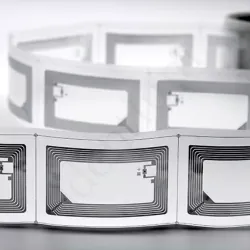
  • Delivered on a Roll Format, Individually vacuum sealed

Choosing the Right UHF Inlay or Label for Your Application

Getting specification right starts with the difference between a bare inlay and a finished label. A dry inlay is the chip and antenna on a PET carrier; a wet inlay adds an adhesive layer; a converted label bonds that inlay to a printable face stock so you can overprint variable data, barcodes and branding. As a UHF RFID label manufacturer in India, we match the inlay’s antenna geometry and EPC Gen2 chip — its memory and read-sensitivity — to how the tagged item will actually be presented to a reader.

Application drives the choice. Dense apparel and retail tagging favours small, sensitive inlays for rack and carton reads, while logistics and warehousing lean on larger antennas for pallet and dock-door distance. Standard paper or PET labels do not perform against metal or liquids — those surfaces need dedicated on-metal hard tags instead. Because our labels ship on rolls, they run through standard RFID label printers that print and encode in a single pass, so you produce serialised, ready-to-apply labels in-house.

For Indian deployments, inlays are tuned for the delicensed 865–868 MHz band. Share substrate, mounting surface, read distance and volume, and we will recommend a suitable inlay and quote accordingly.

Frequently asked questions

As a UHF RFID label manufacturer in India, what materials and formats do you supply?

We supply UHF RFID inlays and labels on PET and polyester face stocks, held in stock in standard sizes and customised on request with a 5 to 10 day turnaround. Labels are delivered in roll format, individually vacuum sealed, ready to run through desktop or industrial label printers. Tell us your substrate, surface and read requirement and we will match a suitable inlay.

Can your UHF RFID labels be printed and encoded on standard printers?

Yes. Because they ship on rolls, our converted labels run through standard RFID label printers — including Zebra, TSC and Honeywell desktop and industrial models we supply and support — which print human-readable text or barcodes and encode the EPC in a single pass, so you can produce serialised, ready-to-apply labels in-house.

Are your UHF inlays compliant for use in India?

Our inlays are tuned for India's delicensed 865–868 MHz UHF band — set by the WPC's 2021 short-range-device rules — and, having no transmitter, need no WPC approval. Identium itself is a BIS and WPC approved RFID manufacturer. If you are sourcing for a regulated deployment, our BIS and WPC compliance guide explains what to check before buying.

Will UHF RFID labels work on metal surfaces or liquids?

Standard paper and PET labels are not designed for metal or liquid-filled items — both detune the antenna and cut read range sharply. For assets, tools, containers and metal shelving, use dedicated on-metal (anti-metal) UHF hard tags rather than flat labels. We can advise which format suits each surface in your environment.

What read range can I expect, and how is pricing worked out?

Passive UHF labels typically read up to around 10–15 m with a fixed reader and 3–8 m with a handheld, depending on the inlay, mounting surface and antenna setup. Pricing is volume-dependent and driven by inlay type, size, chip and customisation, so we quote against your specification rather than a fixed list price — request a manufacturer quote for 2026-indicative rates.

Need pricing, samples or a demo?

Talk to our RFID specialists — we manufacture in India and ship nationwide.