
We provide RFID event management solutions that make events easier and more efficient for both the visitor and the management company. Using RFID to control access ends the scramble for paper barcodes and crumpled tickets, cutting traffic backup in and out of secured areas and lifting the whole guest experience.
How it works
Issue
An RFID tag or label is integrated into the entrance ticket, wristband or badge, carrying the visitor's identity — encoded at the desk or pre-shipped.
Enter
The guest flashes the credential at an access gate fitted with a reader antenna; validation is automatic, the server updates, and their location can be monitored zone by zone.
Spend
The same contactless credential is loaded with money, admissions, food and beverage, package deals or group discounts — transactions complete in seconds at any point of sale.
Analyse
Real-time reports and analytics show attendance and spending trends while the event is still running, so organisers can act on them immediately.
What’s included
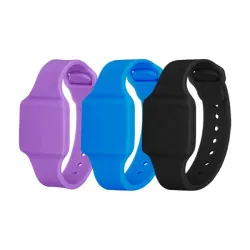
RFID Wristbands
LF, HF & UHF — fun, flexible, inexpensive
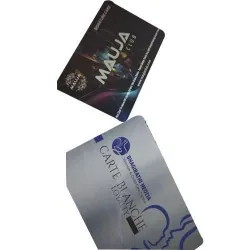
Cards & Tickets
Contactless passes & paper tickets
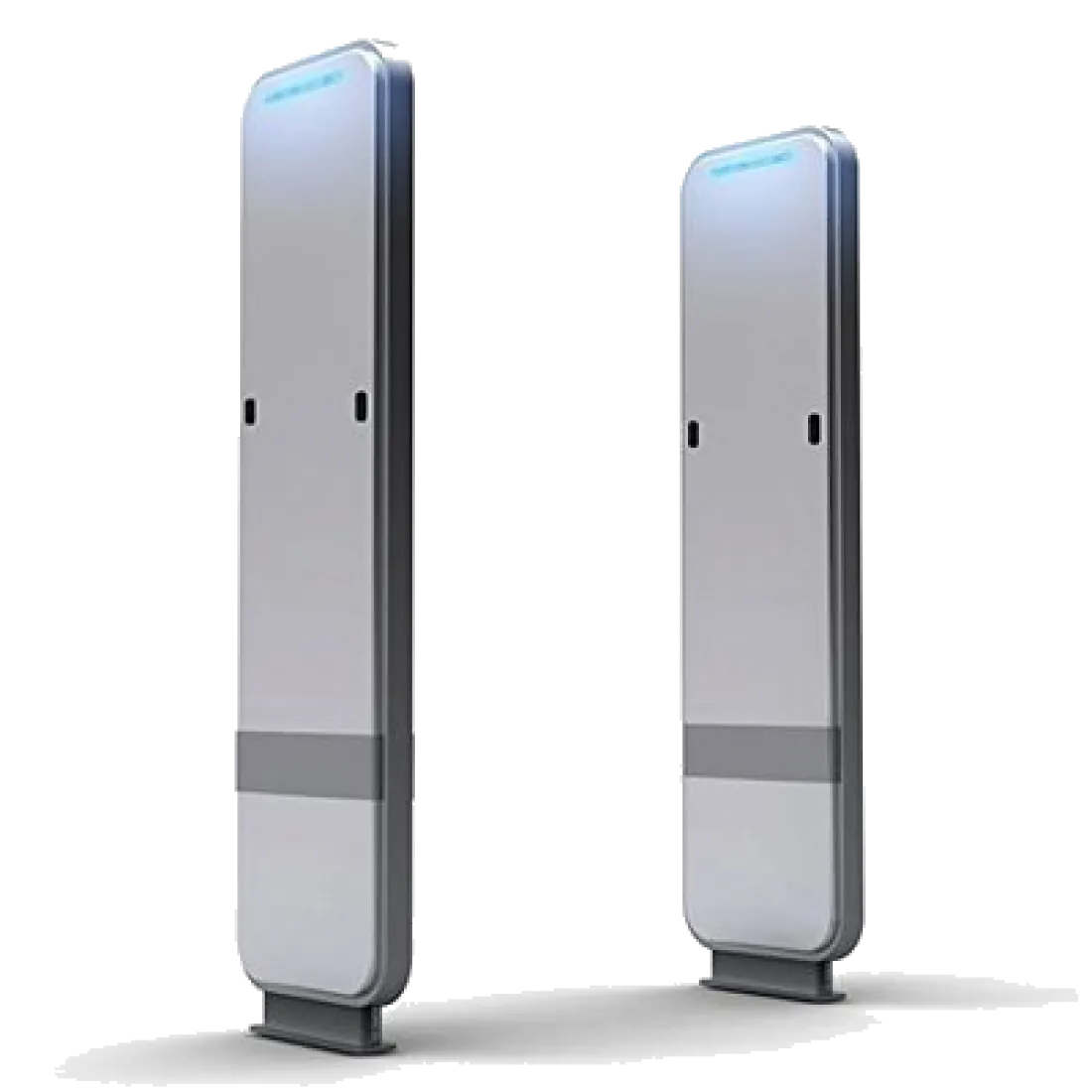
HLR200 Gate Reader
Hands-free access gates
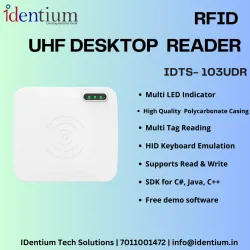
UHF Desktop Reader 103
Point of sale & top-up desk
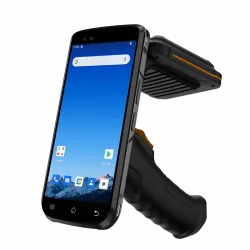
CX1500N Handheld
Roaming ticket validation
Wristbands come feature-packed in LF, HF and UHF with ultra-low-cost chip modules, custom-made “wristickers”, and Wi-Fi readers for fast deployments. Cashless payments at the venue run on IDPay, our closed-loop RFID payment platform — guests top up once and tap to pay, with live sales visibility for the organiser.
Key benefits
- Custom-made solutions with dedicated support — we help you be a perfect host at birthdays, weddings, corporate events and any special occasion’s guest management.
- Family entertainment centres run every transaction on one contactless smart card — a comfort both children and adults enjoy.
- Faster gates and shorter queues turn secured areas from bottlenecks into walk-throughs.
- The same identification backbone also runs recruitment tests and selection processes at scale.
- Point-of-sale reporting in real time: see trends as they form and enhance the user experience on the spot.
Related: Hospitality · Tourism · Education
Which frequency and credential an event actually needs
An event runs two different RFID jobs, and they do not want the same frequency. Spend and identity checks happen one person at a time at a counter, so they sit naturally on HF 13.56 MHz (NFC, ISO 14443) — a range of a few centimetres is a feature here, because a queue three deep at a bar should not have three wristbands answering the reader at once. Entry lanes want the opposite: passive UHF at 865–868 MHz, the band delicensed for RFID under India’s WPC rules (position as of 2026 — confirm the current WPC/BIS requirement before you fix a hardware spec), where EPC Gen2 (ISO/IEC 18000-63, marketed as RAIN RFID) lets a portal pick up several credentials as people walk through. Those two terms describe passive UHF and nothing else — an HF or NFC wristband is neither, whatever a tender document calls it. Larger events usually end up running both bands, or one dual-frequency credential.
The HF chip decides what still works when venue connectivity drops mid-evening. DESFire holds keyed on-card memory, so a balance can sit on the band itself and reconcile once the network returns; Mifare Classic 1K is still widely deployed, but its crypto is old, so treat it as a convenience credential rather than the thing protecting a stored balance; Ultralight keeps single-day disposable tickets cheap; an NFC Forum Type 2 chip (NTAG family) suits tap-to-open links a phone can read with no app installed.
On the UHF side, plan for the body and for the structure. An arm is mostly water and water absorbs UHF, so a band on the wrist reads shorter than the same inlay in a badge that sits away from the body, while metal truss, barricades and scaffold reflect signal into neighbouring lanes and can detune antennas. Every range figure is typical and environment-dependent, never guaranteed — trial the real entrance at real crowd density before you fix lane widths.
| Event type | Credential | Band | Why |
|---|---|---|---|
| Multi-day festival with bars | Silicone or fabric wristband | HF/NFC | Reusable, survives water; keyed on-card value keeps tills running if the network drops |
| One-day ticketed show | Tyvek or PVC single-use band | HF/NFC | Economical and serialised; a single-use closure is not meant to survive removal, so bands are not passed back over a fence |
| Conference delegate badge | PVC or PETG card | HF, or dual-frequency HF+UHF | Photo ID printed at the desk; UHF adds hands-free session counts |
| Expo hall or stadium gates | UHF badge or wristband | UHF 865–868 MHz | Portal reads several credentials hands-free; throughput depends on lane width and layout |
| Backstage and restricted zones | Card or keyfob | HF | Deliberate tap, keyed security, clean audit trail |
That choice decides your desk hardware, because readers are frequency-specific. The UHF Desktop Reader 103 issues and encodes UHF cards, wristbands and labels at registration, and its deliberately short read zone keeps it from picking up the blanks stacked beside it; HF and NFC credentials need an HF desk reader instead, from our HF RFID reader range. The CX1500N handheld reads UHF, so using it for roaming validation and re-entry queues away from a fixed lane depends on matching it to UHF credentials — or on its optional 13.56 MHz NFC module if the band is HF. At the gate, the HLR200 portal’s two-way sensors report whether a credential moved In or Out, which is what separates a genuine re-entry from a double read of someone standing in the field. Every reader ships with an SDK, demo app and source code, so an existing ticketing or POS platform can usually be integrated rather than replaced.