

Identium’s complete Bluetooth Low Energy (BLE) and Angle-of-Arrival (AoA) hardware family — 18 beacon form factors, the ID-BGW-02 gateway, and the ID-AOA-GW25 positioning anchor — together with the RSSI positioning model and platform-integration interfaces. All beacons support iBeacon and Eddystone advertising formats, are configurable via the Identium Connect mobile app, and operate on the licence-exempt 2.4 GHz band (2400–2483.5 MHz) — no WPC frequency licence required.
These products power our Active RFID Tracking & RTLS solution. Not yet listed online — to order or get samples, request a quote or WhatsApp us.
Asset & Industrial Beacons
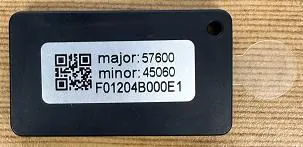
ID-BLE-T01 Asset Tag
25×44 mm · CR2032 replaceable · 3 yr · 70 m · anti-tamper & accelerometer variants · life-waterproof
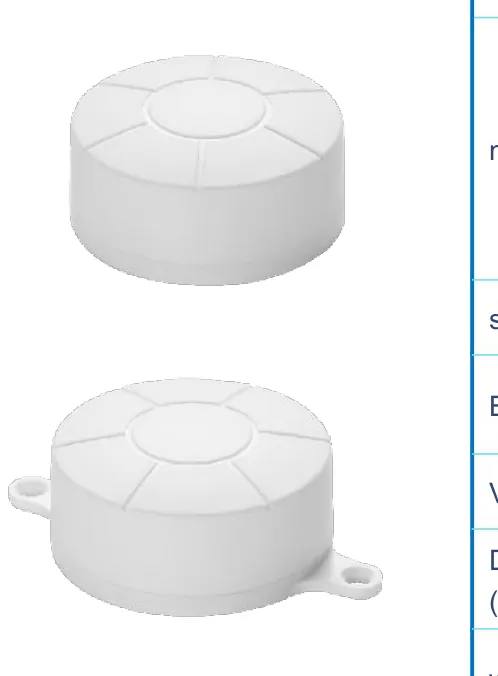
ID-BLE-L01 Industrial Beacon · AoA
Ø54 mm · ER14250 · 5 yr · 100 m · IP68 · accelerometer / temperature+humidity variants
ID-BLE-L02 Industrial Beacon
Ø54 mm · ER14250 · 3 yr · 100 m · IP68 · white/black ABS, ears or 3M mounting
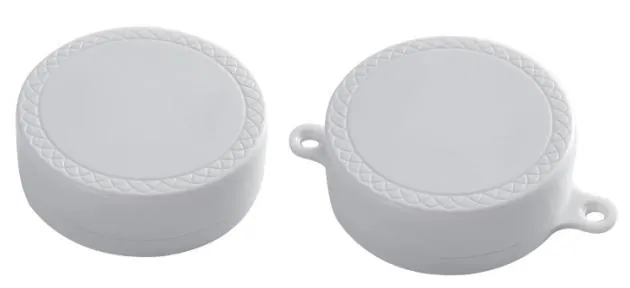
ID-BLE-B22 Compact Beacon · AoA
Ø48×17 mm · CR2477 replaceable · up to 5 yr · 100 m · IP68
ID-BLE-T03 Round Beacon
Ø48×17 mm · CR2477 · 2.5 yr · 100 m · IP68 · OTA updates · 3M or eared screw-mount
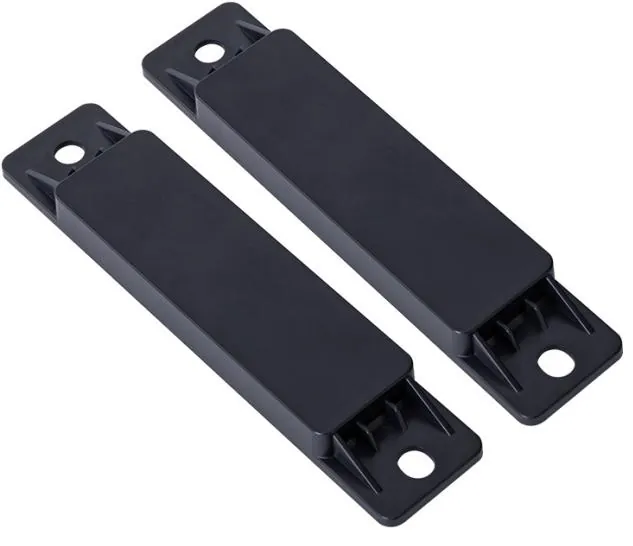
ID-BLE-T08 Pallet Beacon
116×25 mm bar tag · 2×CR2032 · up to 40 months · 100 m · IK08 shockproof · IP68
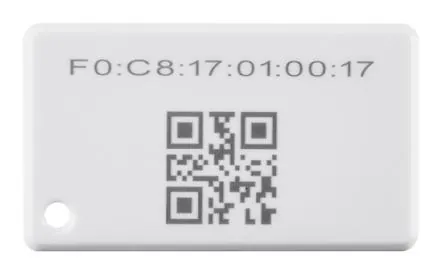
ID-BLE-A07 Anti-Tamper Tag · AoA
44×25 mm · CR2032 replaceable · 3 yr · 70 m · mechanical tamper alarm · accelerometer variant
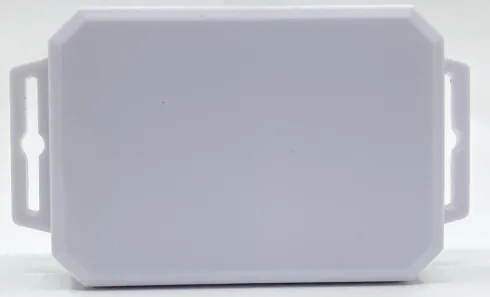
ID-BLE-A20 Large Anti-Tamper · AoA
59×34 mm · CR2450 · 5 yr · 70 m · tamper-proof & accelerometer variants · 3M adhesive
ID-BLE-X62 Large Asset Tag
66×50×28 mm · 2700 mAh · 5 yr · 70 m · black/white ABS — for plant and heavy equipment
Wearables & Work Cards
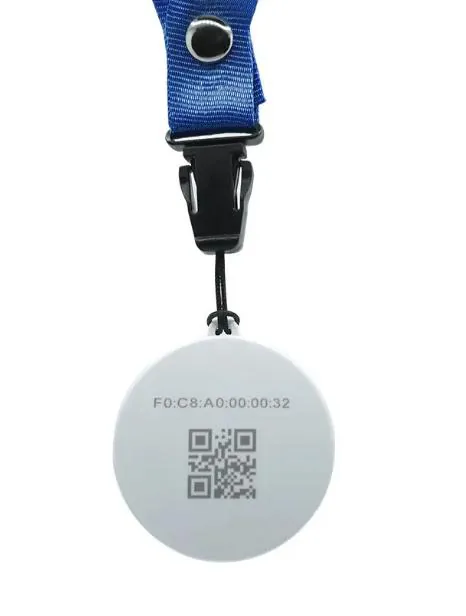
ID-BLE-W16 Wearable Beacon
Ø40 mm lanyard tag · Li-Po rechargeable · 3 yr standby · 70 m · accelerometer · IP67
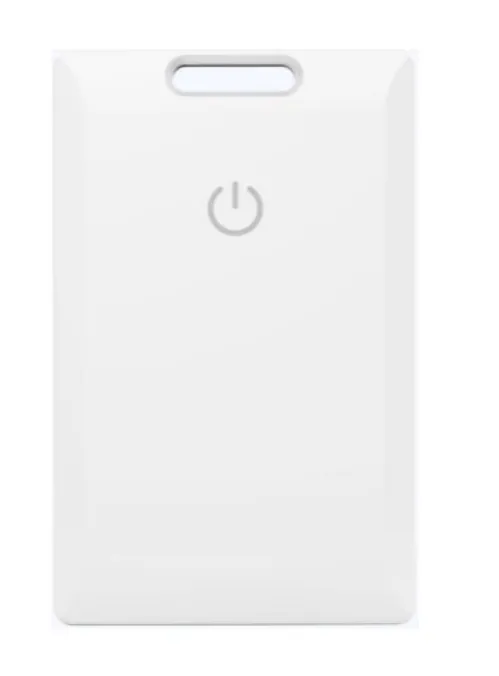
ID-BLE-S25 Slim Work Card · AoA
85×54×4.3 mm badge · Li-Po rechargeable · 3 yr · 100 m · IP67 — personnel positioning
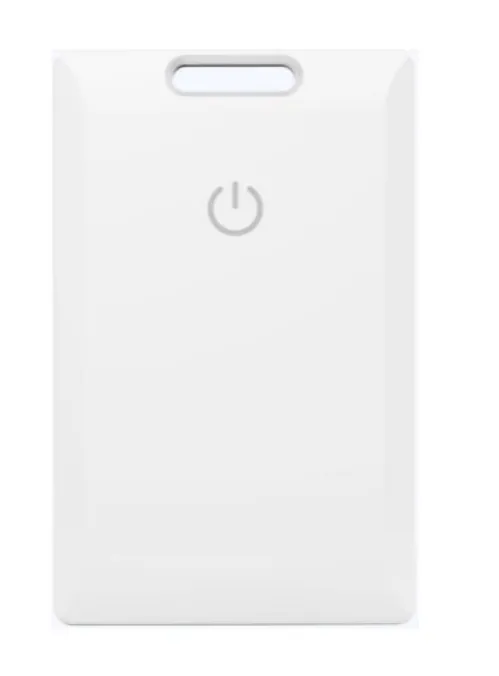
ID-BLE-C08 Work Card + RFID · AoA
89×58×7 mm dual-technology badge · Li-Po rechargeable · scan + broadcast modes · 100 m
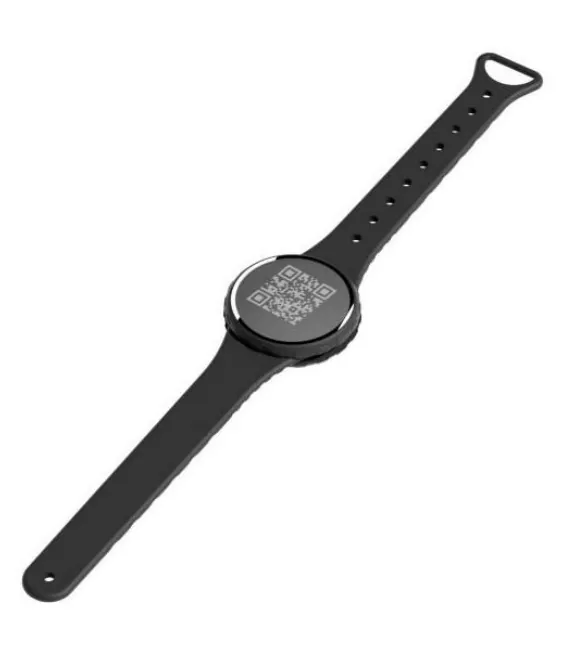
ID-BLE-W61 Beacon Bracelet
Wrist-worn personnel tag · Li-Po rechargeable · 3 yr standby · 100 m · IP66
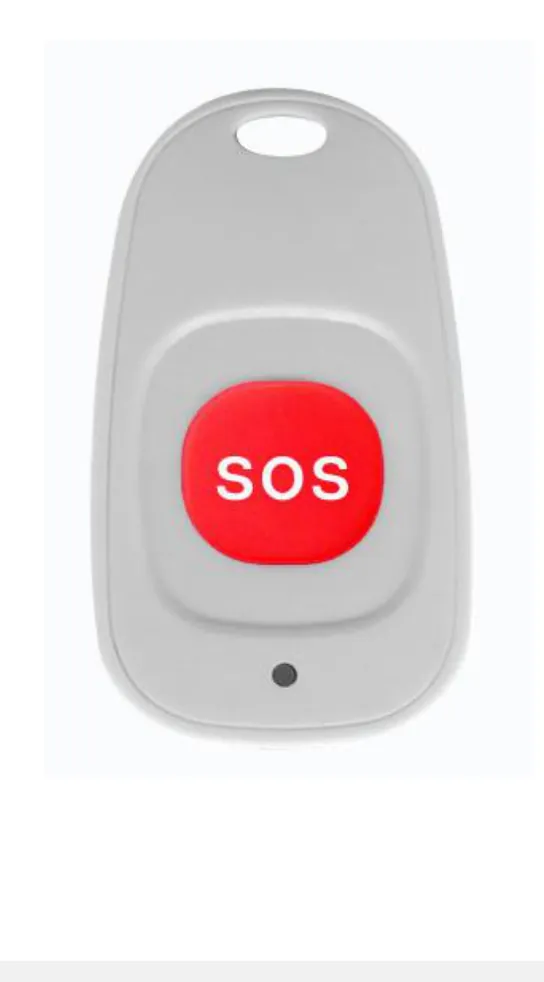
ID-BLE-B50 SOS / Button Beacon
Wearable fob · red SOS or on/off function button · Li-Po rechargeable · 70 m — lone-worker safety
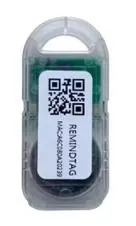
ID-BLE-X11 Buzzer + Light Beacon · AoA
Transparent housing · buzzer + LED find-me alerts · CR2477 · 70 m — search-and-locate
Specialty Beacons
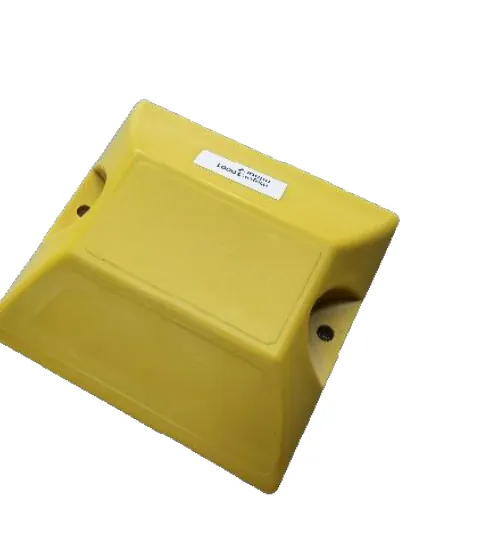
ID-BLE-R09 Road Stud Beacon
100×100 mm embedded smart-traffic marker · ER14250 · 5 yr · 100 m · IP67 · glue/screw mount
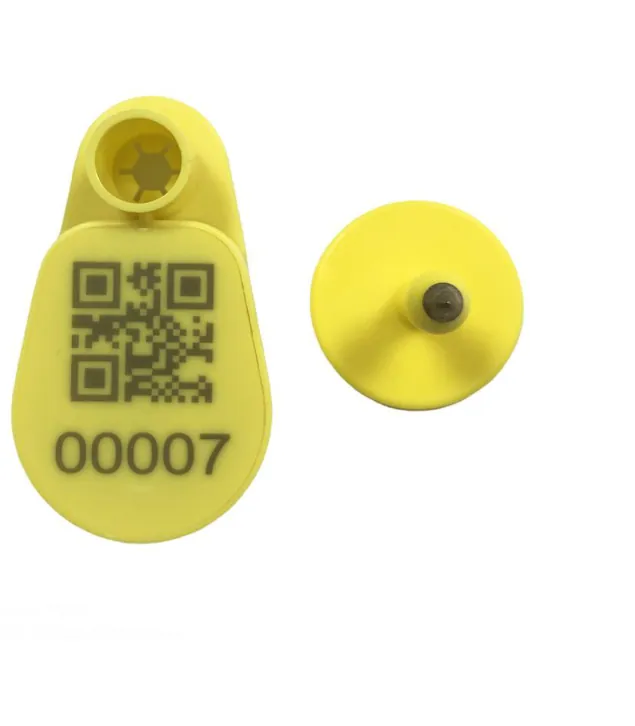
ID-BLE-E59 Temperature Ear Tag
Ear-surface temperature + step counting for cattle & sheep · ~2.35 yr · 70 m · IP68 · standard applicator
Gateway & AoA Anchor
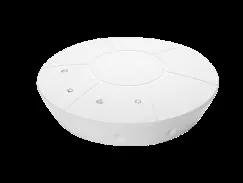
ID-BGW-02 BLE Gateway
BT 4.2/5.0 · Ethernet, Wi-Fi, 4G backhaul · PoE or 6–24 V · scans 300+ devices/s, caches 5000 · UDP/TCP/MQTT
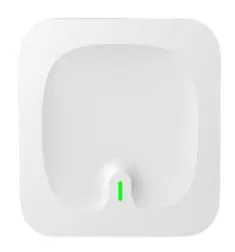
ID-AOA-GW25 AoA Anchor
0.1–1 m positioning accuracy · 18×18×4 cm · PoE · ceiling/side mount · coverage radius ≈ 2× install height · IP66
Why Bluetooth AoA?
Angle-of-Arrival direction finding delivers high indoor accuracy at beacon-class tag cost and battery life — the practical middle ground between RSSI zoning and expensive UWB.
- Bluetooth AoA — <1 m accuracy at 1× tag cost and power; needs dedicated anchors
- Bluetooth RSSI — ~10 m zone accuracy; lowest cost, longest battery, reuses gateways
- UWB — ~10 cm accuracy, but 5–10× tag cost and 10–25× power consumption
Each AoA anchor measures the arrival angle of broadcasts from AoA-capable beacons (L01, B22, A07, A20, S25, C08, X11) and computes a sub-metre position fix; multiple anchors tile larger spaces seamlessly. The same physical tags also work in plain RSSI mode — pilot with RSSI, upgrade zones to AoA without re-tagging.
Where teams deploy them
Patrol and attendance check-in · personnel management in chemical plants and hazardous sites · reverse car-search in parking structures · fixed-asset management in offices, hospitals and factories · indoor positioning and navigation · temperature/humidity/motion sensor collection · livestock health and smart-traffic (ear-tag and road-stud form factors).
Datasheets: BLE & AoA Product Catalogue (full) · ID-BLE-T01 · ID-BLE-T03 · ID-BLE-T08 Pallet Beacon
Related: Active RFID Tracking & RTLS · Healthcare & Pharma · Manufacturing · RFID in M2M and IoT