
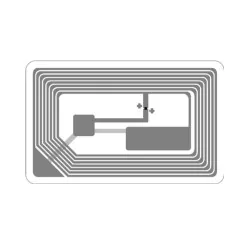
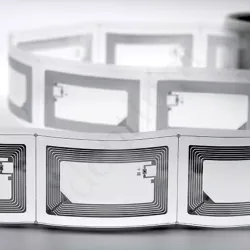
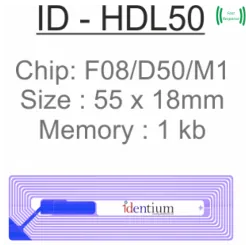
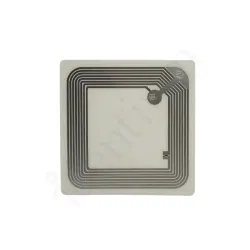
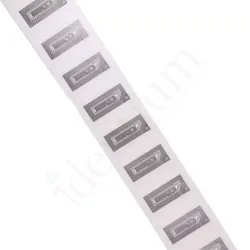
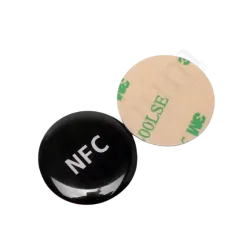
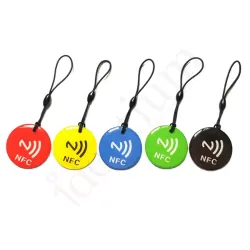
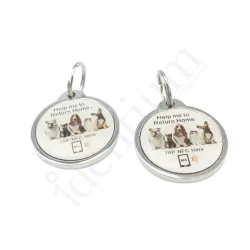


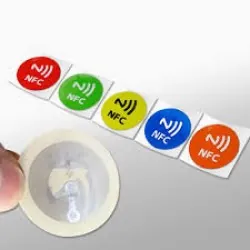
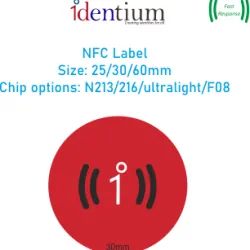


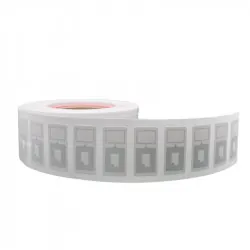
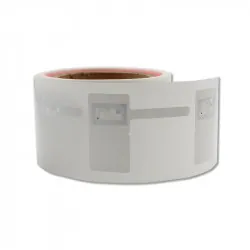
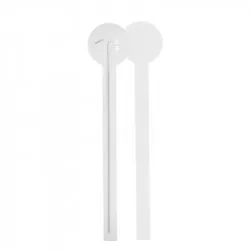
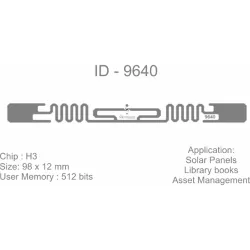
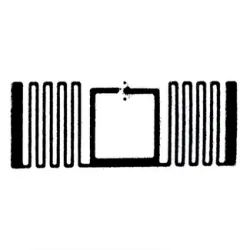

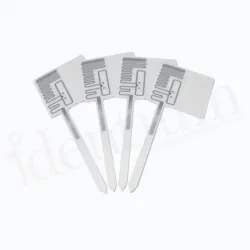
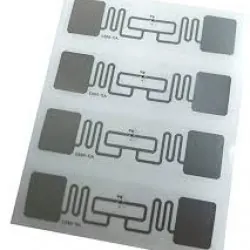

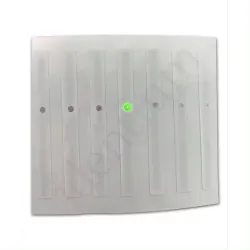
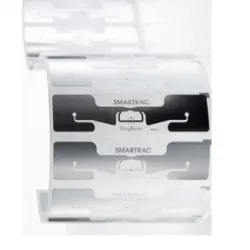
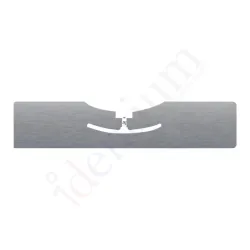

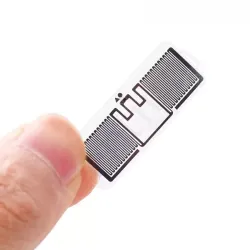
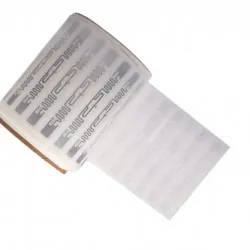
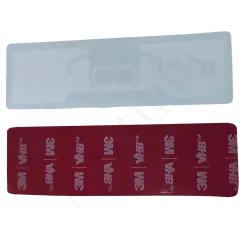
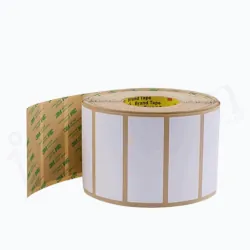


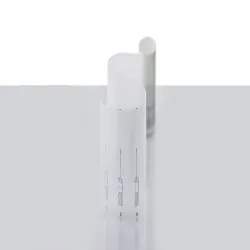
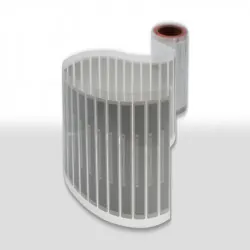

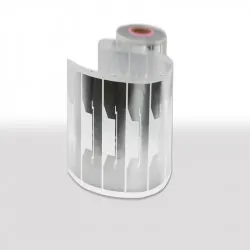
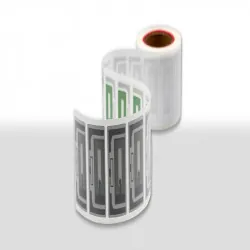
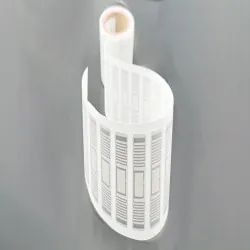
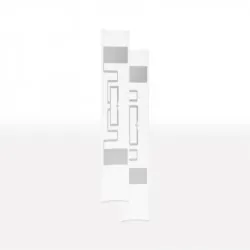
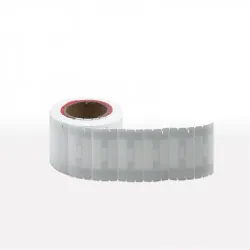
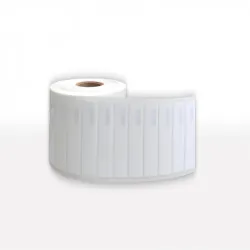
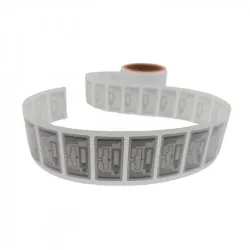
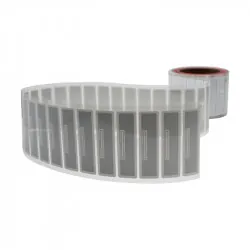

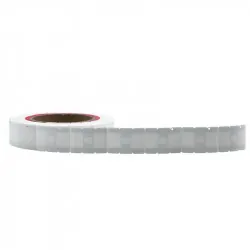
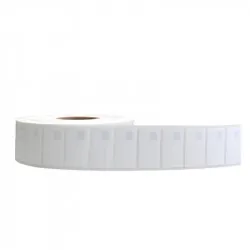


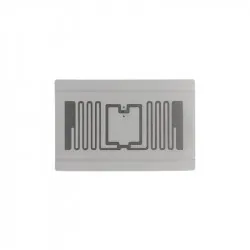

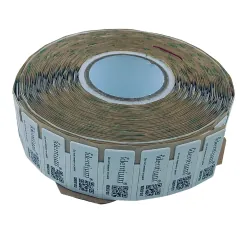
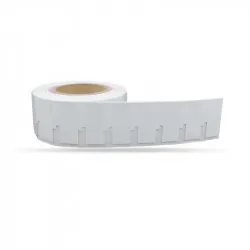
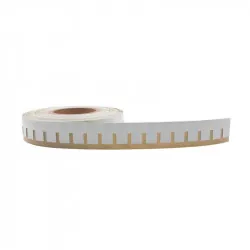
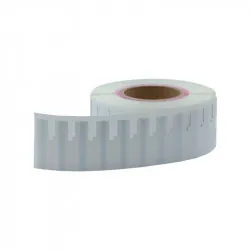
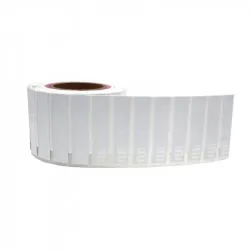
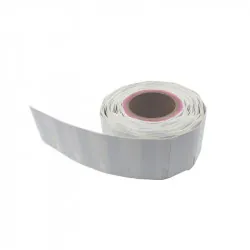



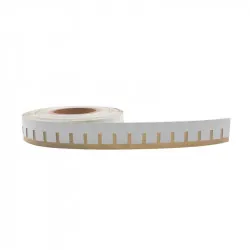
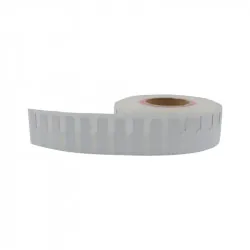
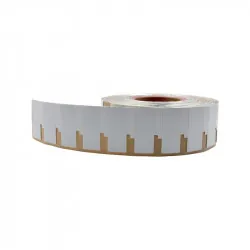
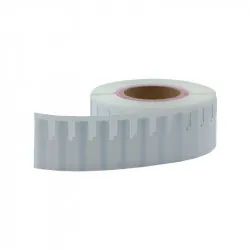
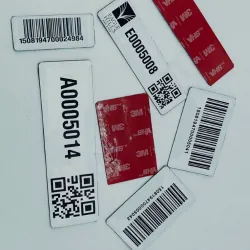
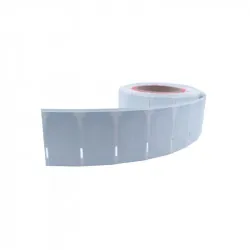
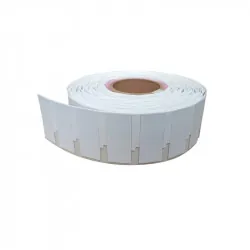
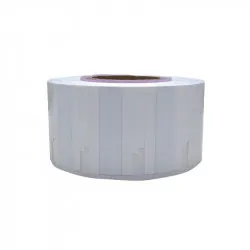
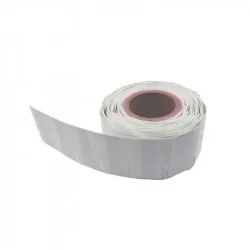
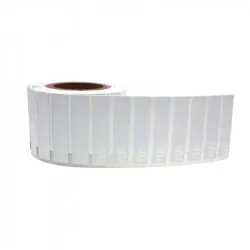
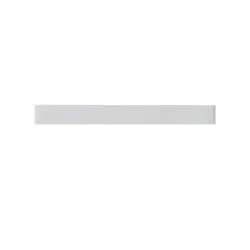


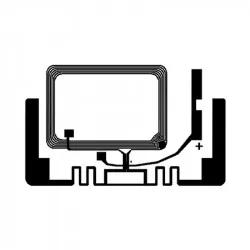
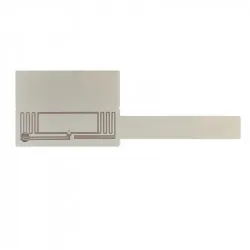
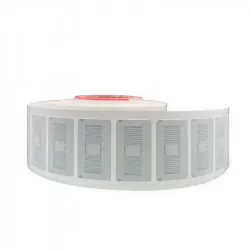
We supply RFID Inlays at very Competitive Prices.
We supply RFID inlays in various sizes, shapes and varied read distances
Chips used include higgs 3/4, Monza 4/5/R6
RFID Inlays: Wet and Dry Formats Explained
An RFID inlay is the working heart of a smart label — an antenna and chip bonded to a thin PET substrate. When comparing RFID inlays, wet and dry are the two formats on offer, and the right pick depends on how you convert or apply them. A dry inlay ships without adhesive: it is meant to be laminated between facestock and liner, or embedded into cards, tickets and hang tags during converting. A wet inlay adds a pressure-sensitive adhesive layer and a release liner, so it can be peeled and applied directly to cartons and cases, or fed into an RFID label printer for on-demand printing and encoding.
Both formats are offered across the UHF (865–868 MHz for India under the 2021 WPC short-range-device rules) and HF/NFC bands, with a range of antenna designs, sizes and chip classes to suit different read ranges and mounting surfaces. To weigh the constructions sensibly, it helps to understand the different RFID tag types first. Every inlay is tested in-house before dispatch. Share your facestock, converter and read-range requirements and our team will recommend a suitable wet or dry inlay.